Tokyo's Underground Is Speaking in Bars: The Black American Producers Rewriting Japan's Hip-Hop Playbook
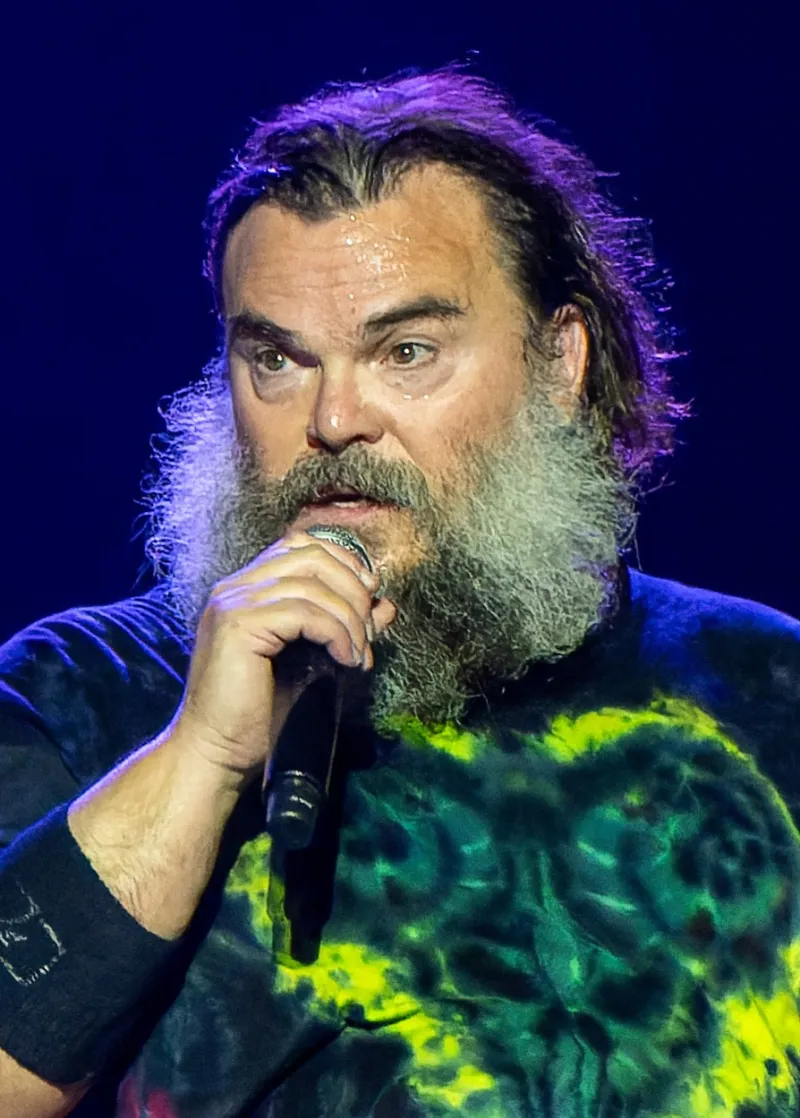
Photo: Raph_PH, CC BY 2.0, via Wikimedia Commons
There's a studio tucked above a ramen shop in Shimokitazawa that doesn't have a sign. You find it through word of mouth, the way you find anything worth finding in Tokyo. Inside, on any given Thursday night, you might catch a Black American producer from Atlanta chopping samples next to a Japanese MC from Saitama who's been studying J Dilla records since middle school. The session runs until 4 a.m. Nobody complains. The noodles downstairs are still hot.
This is Tokyo's underground hip-hop scene in 2024 — and Black American expats are increasingly at the center of it.
The Migration Nobody's Really Talking About
Over the last decade, a quiet but significant migration has been happening. Black American musicians — producers, MCs, DJs, vocalists — have been choosing Tokyo as a creative home base in growing numbers. The reasons vary. Some came for the safety, the efficiency, the sense that the city actually functions. Others came chasing creative freedom, tired of an American industry that kept putting them in boxes. A few came for love and stayed for the music.
What they found was a city that has been deeply, almost reverently, obsessed with hip-hop culture since the late 1980s. Japan didn't just consume American hip-hop — it studied it. Japanese fans catalogued every B-side, every producer credit, every regional slang shift. By the time Black American artists started arriving in real numbers, they weren't walking into ignorance. They were walking into a room full of people who had done the homework.
"The Japanese fans know my catalog better than people back home," says one Brooklyn-born producer who's been based in Tokyo for six years and asked to be identified only by his tag, Soulcraft. "I played a set last year and someone in the crowd was singing the hook to a track I put out on SoundCloud in 2015. That doesn't happen in New York anymore."
Cross-Pollination on the Low
What's emerging from these collaborations isn't just American hip-hop with Japanese features slapped on top. It's something genuinely hybrid — and it's happening in ways that don't always make it onto streaming platforms or music press radar.
There's a generation of Japanese producers who grew up on boom-bap but also absorbed city pop, enka, and traditional Japanese percussion. When they start working alongside Black American artists who bring their own regional flavors — Atlanta trap architecture, West Coast g-funk sensibilities, the dense lyricism of the New York underground — the results are unpredictable in the best way. You get tracks that feel familiar and completely alien at the same time.
There's also a meaningful conversation happening around the African roots of both traditions. Several Black American artists living in Tokyo have spoken about the experience of introducing Japanese collaborators to the African diaspora lineage that runs through hip-hop — the blues, jazz, funk, and soul that form its foundation. For some Japanese artists, this reframes hip-hop not just as an American export but as part of a much longer, much wider Black cultural story.
"I talk to my Japanese partners about the diaspora all the time," says one Chicago-born vocalist who performs under the name Meridian and has lived in Tokyo for four years. "They know hip-hop, but they don't always know the full lineage. When you connect those dots for them, something opens up in the music. You can hear it."
The Language Question
The obvious elephant in the room is language. Japanese hip-hop has its own lyrical traditions, and the tonal and rhythmic demands of the language are genuinely different from English. How do Black American artists navigate that?
Some lean into the gap. They perform in English, letting the foreignness of the language become part of the aesthetic — Tokyo audiences have always had a complicated and fascinating relationship with English as a sonic texture. Others have gone deep, studying Japanese and attempting to rap in it, with varying results that range from impressive to charmingly rough.
But many artists find that the language barrier matters less than expected in production and beat-making circles, where the conversation happens in chord progressions and drum patterns. A kick drum hits the same in any language. A well-placed sample doesn't need a translation.
"Music is the universal language — that's corny to say but it's true," Soulcraft says with a laugh. "When I play someone a beat and they nod their head, we're talking. Everything else is logistics."
Where to Find the Scene
If you're visiting Tokyo or newly arrived and trying to plug in, here's where to start:
Shibuya and Shimokitazawa remain the twin hearts of Tokyo's underground hip-hop community. Club Asia and smaller venues like Three regularly host nights that blend Japanese and international talent. Keep your eyes on flyers — the best events are often announced last minute.
Disk Union in Shinjuku is a record store pilgrimage site where you'll find both rare American hip-hop vinyl and the Japanese producers who collect it obsessively. It's a networking spot as much as a shop.
Instagram and Twitter/X are essential. Tokyo's underground music community runs heavily on social media in Japanese, which means you'll want to follow Japanese hip-hop accounts and use translation tools aggressively. The algorithm will eventually figure out what you're looking for.
Cipher nights pop up seasonally in various neighborhoods. They're less formal than club events and often where the most interesting cross-cultural exchanges happen. Ask around — if you're in the right circles, someone will know.
Creative Freedom, Tokyo Edition
Beyond the music itself, Black American artists in Tokyo consistently cite something less tangible but equally important: the feeling of creative space. In a city where they're already navigating outsider status as both foreigners and Black people in Japan, many describe a paradoxical sense of freedom.
"Nobody here has preconceived notions of what I'm supposed to sound like," Meridian says. "Back home, being a Black woman who makes abstract music, people are always waiting for you to do something more commercial. Here, I'm just an artist. It's weird but it's liberating."
That freedom has a shadow side, too. Navigating racism in Japan — which operates differently than American racism but is absolutely present — is a constant reality. The fetishization of Blackness in certain corners of Japanese hip-hop culture is a conversation that Black artists in Tokyo have frankly and repeatedly. Being celebrated for your Blackness is not the same as being respected for your full humanity, and the artists building lives in Tokyo are clear-eyed about that distinction.
But they're still here. Still in the studio above the ramen shop. Still running sessions until 4 a.m.
The music they're making is finding its way out into the world — through streaming platforms, through collaborations with Japanese artists who then tour internationally, through the slow, steady accumulation of something new.
Tokyo's underground has always been good at that. Absorbing, transforming, reflecting back something unexpected. This time, it's doing it with Black American artists in the room — and the room sounds different because of it.
Follow Negri Tokyo for ongoing coverage of Black creative communities in Japan.