Nobody's Checking for You: The Brutal Reality of Being Black and Sick in Tokyo

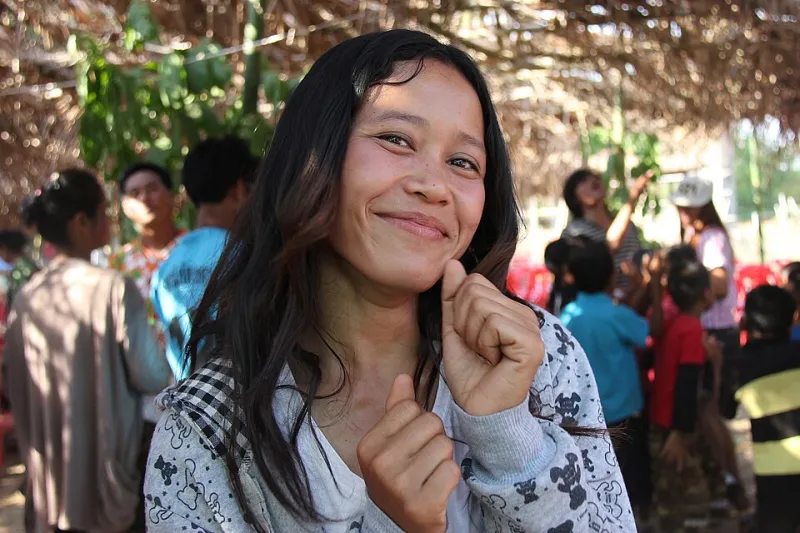
Photo: Radomianin, CC BY-SA 4.0, via Wikimedia Commons
Let's start with the story nobody puts in the expat Facebook groups.
Darnell, a 34-year-old software engineer from Atlanta, moved to Tokyo three years ago riding a wave of excitement — new city, new job, new chapter. Eight months in, he started having chest pains. Not the dramatic, movie-style stuff. Just a dull, persistent ache that wouldn't quit. He went to a clinic near his apartment in Shinjuku. The doctor — through a receptionist acting as translator — told him it was probably stress. Sent him home with antacids.
The pain kept coming. He went back. Same story. Third visit, different clinic. The doctor barely made eye contact, spoke only to the nurse, and Darnell left with a referral to a mental health specialist.
"I knew something was wrong with my body," he told us over the phone. "But I started second-guessing myself because every professional I saw was dismissing me. That's a dangerous place to be."
It turned out to be a cardiac arrhythmia. Caught eventually — but later than it should have been.
Darnell's story isn't an anomaly. It's practically a rite of passage.
The System Wasn't Built for Us — and It Shows
Japan's healthcare system has a reputation for being efficient, affordable, and thorough. And for a lot of people, that reputation holds up. But Black expats — particularly those from the US — are navigating a different experience inside those same hospitals and clinics.
The issues stack up fast. Language barriers are the obvious one, but they don't fully explain what's happening. Japan has no shortage of English-speaking doctors, especially in major cities. The deeper problem is what happens when a Black patient walks through the door — the assumptions that get made before a single question is asked.
Dr. Amara Osei, a Ghanaian-American physician currently practicing in Tokyo, puts it plainly: "There are doctors here who have genuinely never treated a Black patient. Their medical training didn't include us in any meaningful way — not our skin presentations, not our genetic health risks, not our cultural context around pain and illness. That's not malice, necessarily. But the outcome can still hurt you."
Skin-based diagnostics are a real and underappreciated problem. Conditions like cyanosis, jaundice, and certain rashes present differently on darker skin tones — and if a doctor hasn't been trained to recognize those presentations, things get missed. Add to that the global legacy of pain bias — the documented tendency of medical professionals to underestimate pain levels in Black patients — and you've got a recipe for delayed diagnoses and inadequate treatment.
The Language Problem Goes Deeper Than Words
Even when translation apps and bilingual staff are in the mix, the communication gaps are real. Medical Japanese is its own beast — dense, formal, full of terminology that doesn't translate cleanly even for fluent speakers. And when you're already stressed, in pain, or scared, trying to advocate for yourself in a second language (or through a third party) is exhausting in ways that compound the problem.
Jasmine, a 29-year-old educator from Houston who dealt with a serious kidney infection last year, describes the experience as "being a child in your own health crisis."
"I couldn't fully explain my symptoms. I couldn't fully understand what they were telling me. And I didn't know my rights as a patient. So I just... nodded. And hoped."
What she didn't know at the time — and what a lot of newly arrived expats don't know — is that patients in Japan have the legal right to request an interpreter. Most hospitals in Tokyo have access to interpretation services, either on-site or via phone. But that information rarely gets volunteered. You have to ask for it. And to ask for it, you have to know it exists.
What the Community Built Instead
Here's where it gets real: Black expats in Tokyo didn't wait for the system to fix itself. They built workarounds — and those workarounds have quietly become a lifeline.
Private Facebook groups and LINE communities have become informal medical clearinghouses. People share clinic recommendations, warn each other about dismissive doctors, and crowdsource translations for confusing paperwork. It's not perfect, but it's something.
Several community members have also put together curated lists of English-speaking doctors who have demonstrated cultural competency — not just language skills, but actual awareness of how race can affect diagnosis and treatment. These lists circulate through word of mouth. Ask around in the right spaces and someone will hook you up.
Dr. Osei has started hosting informal health literacy sessions specifically for Black expats — covering everything from how to navigate the Japanese insurance system to how to self-advocate when you feel like you're being brushed off. "Knowledge is protection," she says. "The more you know going in, the harder it is for someone to dismiss you."
Practical Moves to Protect Yourself
If you're Black and living in Tokyo — or planning to — here's what the community has learned the hard way:
Get your medical history translated before you need it. Don't wait until you're sick to figure out how to communicate your conditions, allergies, and medications in Japanese. Services like MedTranslate Japan can help, and some expat health insurance providers offer this as part of their package.
Know your insurance options. Japan's national health insurance (国民健康保険, Kokumin Kenko Hoken) covers a lot, but there are gaps — especially around specialist care and mental health. Private expat health insurance can cover those gaps and often comes with English-language support lines that are genuinely useful in a crisis.
Find your people before you need them. The Black expat community in Tokyo is small but tight. Organizations like the African Diaspora Network Japan and informal community groups are worth connecting with early — not just for social reasons, but because these networks are where the real healthcare intel lives.
Document everything. If you feel dismissed or mistreated, write it down. Date, clinic, what happened. This matters if you need to escalate or seek a second opinion — and it matters for the community, because patterns only become visible when people track them.
Trust your body. This one sounds simple, but it's the hardest. When a system consistently underestimates you, it's easy to start underestimating yourself. Don't. If something feels wrong, keep pushing.
The Bigger Picture
None of this is unique to Japan. Black Americans have been fighting medical racism at home for generations — from the Tuskegee experiments to the present-day maternal mortality crisis. What's different about navigating it abroad is the isolation. You don't have family nearby. You may not have a long-standing relationship with a doctor who knows your history. And the cultural and linguistic distance can make it even harder to fight back when something goes wrong.
But the community is here. It's paying attention. And it's building the resources that should have existed already.
Darnell is doing fine now, by the way. He found a cardiologist through a recommendation in one of those Facebook groups — a doctor who'd trained partly in the US and understood both the language and the context. "She actually looked at me," he said. "Like, really looked at me. That shouldn't be a big deal, but it was."
It shouldn't be. But until the system catches up, knowing where to find that kind of care — and sharing it freely — might be the most radical thing we can do for each other.