When Your Japanese Runs Out at 3 A.M.: Surviving Tokyo's Emergency Maze Without the Words
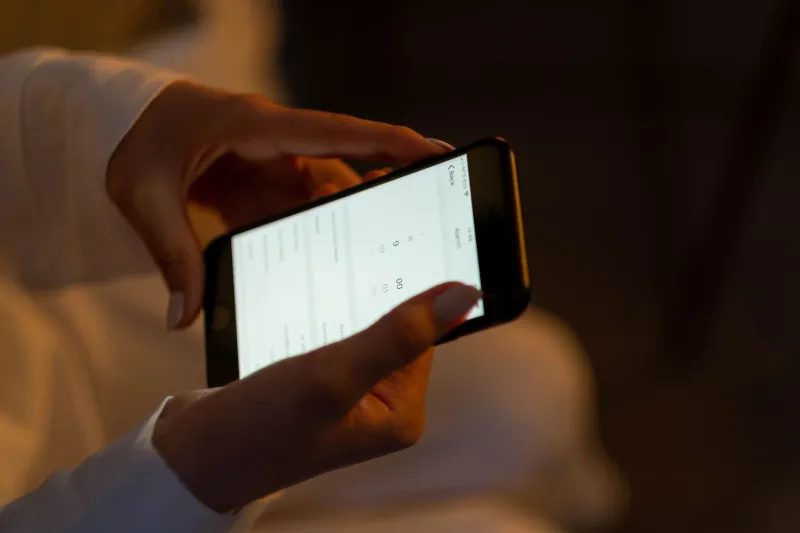
It's 3 A.M. and you're on hold with a hospital hotline, your fever spiking, and the recorded voice is asking you something you can't parse. This is the moment every expat dreads — the language cliff. Not the tourist awkwardness of pointing at a menu, but the cold reality that when it's your body, your visa, or your kid on the line, "sumimasen" won't save you.
For Black Americans in Tokyo, the stakes feel doubled. You're already navigating being read as foreign in a city that rarely sees you. Add a medical emergency or an immigration letter you can't decipher, and the isolation hits different.
The Night the Words Ran Out
Marcus, a designer from Atlanta, remembers his moment vividly: a bike accident in Nakano, blood, a cab driver who couldn't understand "hospital," and an ER intake form written entirely in kanji he'd never studied.
"I pulled out Google Translate and the nurse was patient, but I remember thinking — I've lived here two years and I am completely alone right now," he says. "Nobody had ever told me what to do before this."
That's the pattern. Most expats build their Japanese up to konbini-level fluency and plateau. Daily life hums along fine — until it doesn't.
Your Lifeline List: Build It Before You Need It
The expats who thrive here all say the same thing: the network is the skill. Here's what belongs on your phone today:
- The AMDA hotline (03-3878-2109): Free multilingual medical interpretation, including English. Save it now.
- Tokyo Metropolitan Medical Info Line: Health and medical info in English when you're deciding ER vs. clinic.
- A real human translator: Platforms like Oikoship or community groups can connect you with freelance interpreters who do hospital visits for a fee. Have one person's number before you need it.
- Your ward office's foreign resident desk: Many wards offer free or cheap interpretation for city hall paperwork — the visa, pension, and tax stuff that breaks people.
- A community fixer: Every Black expat circle has one — the person who's been through it and answers the phone. Be one for someone else, too.
The Bureaucracy Boss Fight
Emergencies get the headlines, but the slow-burn panic is paperwork. A registered letter arrives. It's from the ward office. Is it a tax notice? A visa problem? A jury summons? You don't know, and the stakes feel enormous because your whole life here sits on paper.
Tasha, a teacher from Houston, learned to treat bureaucracy like a raid boss. "I started screenshotting everything, running it through translation apps, and then booking a ward office appointment with a translator instead of walking in blind," she says. "Game-changer."
Translation apps like Google Lens have gotten shockingly good at Japanese documents — but never sign anything you only half understand. That's not a language problem; that's a legal one.
Why Our Community Can't Afford to Wing It
Here's the part nobody says out loud: as Black foreigners, we often feel the pressure to be extra competent, extra composed, extra unbothered — like asking for help confirms somebody's stereotype. Throw that weight away. The most dangerous thing you can do in a Tokyo emergency is perform self-sufficiency you don't have.
The folks who've been here a decade will tell you: the ones who made it built their bridges early. They joined the group chats. They saved the hotline numbers. They asked the "dumb" questions at the ward office while nothing was on fire.
Tokyo will take care of you — but only if you can ask it to. Learn the ask before the 3 A.M. moment comes.